

In Singapore’s fast-paced, high-pressure environment, physical fitness has long been seen as an antidote to stress and burnout. But in recent years, fitness centres have taken things one step further by integrating mental wellness into their offerings. When you walk into a fitness gym Singapore facility today, you’re just as likely to find a meditation room or breathwork class as you are a squat rack or treadmill.
This evolution reflects a broader shift in how Singaporeans view health — not just as the absence of illness, but as a balanced state of body and mind. Gyms are no longer simply places to build muscle or burn fat. They’re becoming wellness hubs that support holistic living, mental clarity, and emotional resilience.
Let’s explore how modern fitness gyms in Singapore are embracing mental wellness as part of the training equation — and why this matters more than ever.
Why Mental Health Can’t Be Ignored in Fitness
1. High-Stress Urban Living
Singapore is known for its world-class infrastructure and efficiency — but with that comes high expectations, long work hours, and a culture of constant performance. This has led to rising cases of anxiety, sleep issues, and chronic fatigue, even among the physically active.
Exercise alone helps, but when combined with structured mindfulness, stress-reduction techniques, and emotional support, it can lead to significantly better mental outcomes.
2. Growing Awareness and Acceptance
The stigma around mental health is slowly lifting in Singapore. Younger generations, in particular, are more open about seeking help and practising self-care. Fitness gyms have responded by adding classes and services that promote calmness, self-reflection, and nervous system regulation.
3. Science Supports the Connection
Multiple studies have shown that combining physical activity with mindfulness improves mood, reduces cortisol levels, and enhances cognitive function. This has made wellness-integrated fitness programmes not just trendy, but scientifically validated.
How Singapore Gyms Are Integrating Mental Wellness
1. Mindful Movement Classes
Traditional workouts often focus on reps and speed, but now, more gyms are offering:
- Yoga with breathwork
- Tai chi or qi gong
- Mobility and flow classes with music and guided meditation
These sessions focus on body awareness, control, and relaxation, helping members disconnect from their devices and reconnect with their inner calm.
2. Guided Meditation and Breathing Rooms
It’s not uncommon today to find quiet rooms or pod spaces in gyms designed for mindfulness breaks. Members can spend 10–15 minutes after a workout doing guided breathing exercises or short meditations to cool down both mentally and physically.
These spaces are often equipped with:
- Noise-cancelling headphones
- Aromatherapy or mood lighting
- App-based guided sessions
- Comfortable mats or chairs
By pausing in these spaces, members leave the gym feeling mentally recharged — not just physically worked out.
3. Mental Health Workshops and Talks
Singapore fitness gyms have begun hosting workshops on topics like:
- Managing burnout
- Nutrition for brain health
- Sleep optimisation
- Emotional resilience through fitness
These sessions are led by psychologists, dietitians, and mindset coaches, adding a layer of education to the fitness journey.
Some gyms also collaborate with local wellness experts to offer talks and group discussions, especially during Mental Health Awareness Month or after festive periods when stress levels peak.
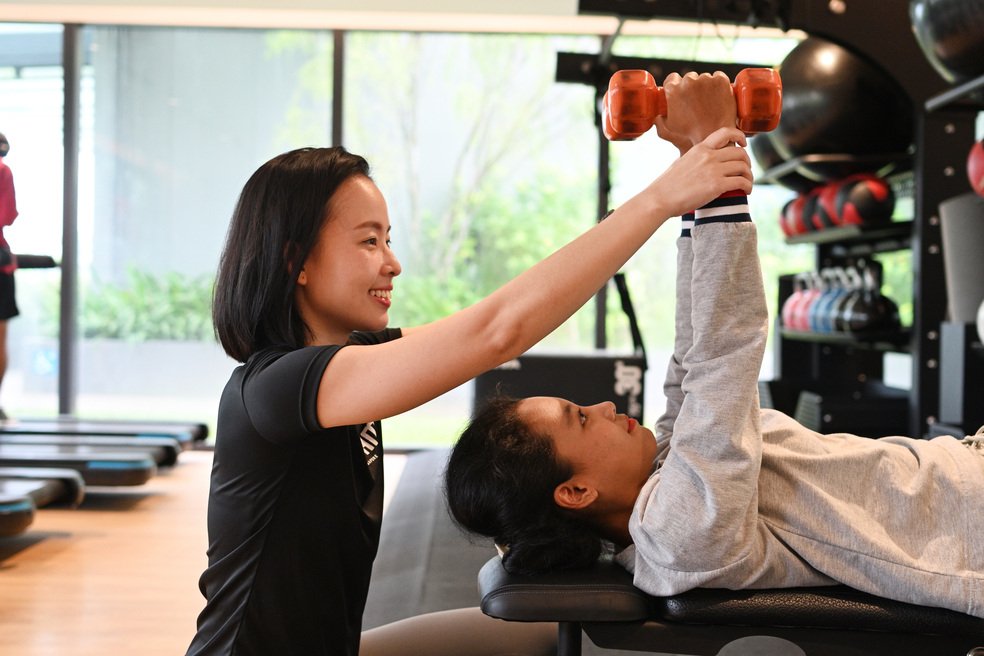
4. Wellness-Focused Personal Training
In place of aggressive, no-pain-no-gain coaching, many personal trainers now adopt a “wellness-first” philosophy. This means:
- Checking in on your emotional state before starting a session
- Adjusting the intensity based on your energy and stress levels
- Offering recovery-focused sessions like assisted stretching or mobility flow when needed
Fitness centres like TFX have embraced this approach by training their staff to recognise burnout signals and create programmes that balance physical and psychological health.
How This Helps in the Singaporean Context
Singaporeans are known for being productive, punctual, and precise. But these strengths can easily tip into overwork and exhaustion if mental health is neglected. The integration of wellness into gym culture acts as a protective mechanism — reminding members to slow down, breathe, and listen to their bodies.
It also makes the gym a more inclusive space. Instead of being a place that only caters to high-intensity enthusiasts, the modern gym welcomes people recovering from stress, injuries, or emotional fatigue — all within a safe and supportive environment.
Real-Life Transformations in Singapore
Amirah, 35, HR Executive:
“I used to push myself hard in HIIT classes even when I felt drained. After attending a stress-management workshop at my gym, I started balancing strength days with breathwork sessions. It changed everything — I sleep better, and my mood has improved.”
Justin, 41, Tech Professional:
“My gym introduced 10-minute guided meditations post-workout. At first I was sceptical, but it helped me focus better at work. I’ve even started doing breathwork before client meetings.”
Lee Wei, 28, Graphic Designer:
“I struggled with anxiety and avoided crowded spaces. But the wellness zone at my gym had calming lights and music. It became my escape and slowly helped me gain confidence to rejoin group classes.”
Tips to Maximise Mental Wellness at the Gym
- Alternate intense sessions with recovery days. Use those days to try yoga or breathwork.
- Use the app to schedule ‘quiet time’ after workouts. If your gym has a meditation room, block off a 15-minute window post-exercise.
- Check if your trainer is trained in wellness coaching. If not, let them know you’re looking for a more balanced approach.
- Track both mood and movement. Some wearables let you log how you feel emotionally after a session — use this to find what truly helps you recharge.
- Join workshops or talks. These often offer simple, science-backed ways to improve your lifestyle outside the gym.
A New Era of Fitness for Mind and Body
The definition of fitness is expanding — and rightly so. In a society that’s always on the go, a gym that prioritises both mind and muscle is more than a luxury — it’s a necessity. If you’re searching for a fitness gym Singapore option that supports your total wellbeing, make sure to choose one that goes beyond dumbbells and treadmills.
Look for one that offers a mental reset alongside your physical transformation — because true strength begins in the mind.
FAQ
Q: Can meditation really help with gym performance?
A: Yes. Meditation improves focus, reduces performance anxiety, and helps regulate your nervous system — all of which contribute to better workouts and faster recovery.
Q: I only have time for workouts. How can I fit mental wellness in?
A: Start small. Even 5–10 minutes of breathwork or stretching post-exercise can have a big impact on your mood and energy levels.
Q: Is it awkward to use the meditation room at the gym?
A: Not at all. These spaces are designed for privacy and calm. Once you try it, you’ll likely return again — many users find them surprisingly refreshing.
Q: What if I prefer high-intensity workouts? Do I still need wellness practices?
A: Yes, even more so. The more stress you place on your body, the more important recovery, sleep, and mental clarity become. Wellness practices improve long-term performance.
Q: Do all gyms in Singapore offer mental wellness features?
A: Not all, but many premium gyms now include wellness areas, meditation sessions, or recovery-focused classes. It’s worth touring the gym and asking staff about these options before joining.
