

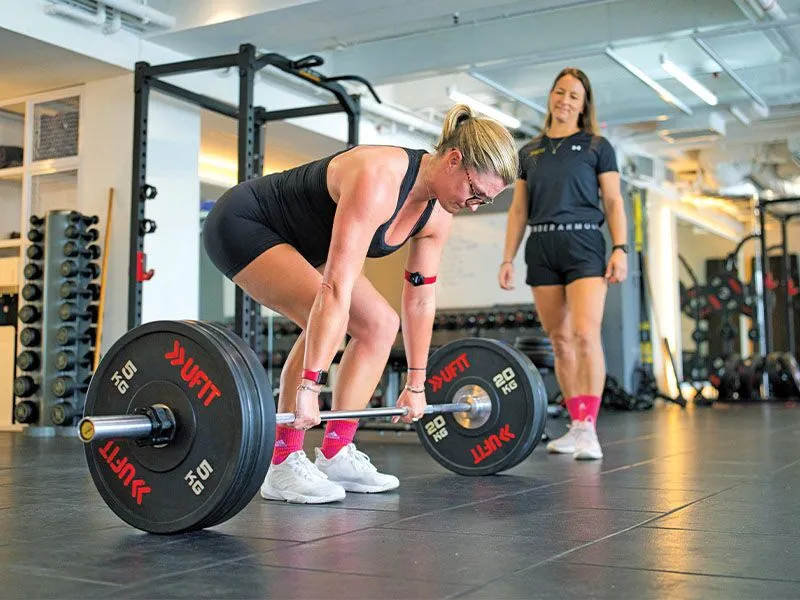
Singapore’s population is ageing at one of the fastest rates in Asia. Many adults now think ahead about mobility, independence and long term health. While medical care and nutrition play key roles, physical training has become a cornerstone of healthy ageing. This shift explains why more people identify the best gym singapore options as essential partners in maintaining physical capability, strength and resilience over time.
Longevity is no longer defined simply by living longer. The modern definition focuses on healthspan, which refers to the number of years a person remains mobile, strong and self sufficient. Science shows that after age thirty, muscle mass declines steadily unless it is actively maintained. Similarly, balance, bone density and cardiovascular strength reduce with age. Structured gym based training helps slow this process significantly and, in many cases, reverses functional decline.
Why longevity training matters in Singapore
Singapore adults face unique ageing challenges shaped by lifestyle, environment and work patterns.
Sedentary routines
Long hours at desks weaken posture, reduce mobility around the hips and shoulders and accelerate muscle loss. Without structured resistance training, many adults experience stiffness and reduced functionality by midlife.
High levels of workplace stress
Stress affects hormone balance, sleep quality and metabolic health. Chronic stress accelerates biological ageing. Exercise is one of the most effective stress regulating tools.
Urban living
Singapore’s compact homes and high density environment mean many people lack space for consistent home workouts. Well structured gym environments become essential for safe and progressive training.
Rising life expectancy
Singaporeans live longer, which means maintaining strength and mobility for an extended period is critical. Longevity training ensures these extra years are quality years, not years spent dealing with preventable pain.
The science behind healthy ageing
Healthy ageing is supported by four main physical pillars.
1. Muscle preservation
Strength loss accelerates with age. Muscle plays a significant role in:
-
Stability
-
Metabolism
-
Injury prevention
-
Everyday mobility
Resistance training increases muscle fibres and prevents age related decline. This makes gym based training one of the most effective anti ageing interventions available.
2. Bone density preservation
Weight bearing exercises increase bone mineral density. This protects ageing adults from fractures and improves balance. Research shows that resistance training is more effective than walking alone for bone strength.
3. Cardiovascular resilience
Cardio training helps maintain heart function, lung capacity and circulation. Good cardiovascular health supports cognitive function and energy levels throughout the day.
4. Joint mobility and movement quality
Mobility work:
-
Maintains flexibility
-
Reduces chronic stiffness
-
Improves posture
-
Supports pain free movement
A well rounded gym programme integrates mobility with strength, creating long lasting movement confidence.
How top gyms in Singapore support longevity based training
Longevity training requires structure, equipment variety and a safe environment. High quality gyms offer all three.
Strength zones designed for progressive training
Longevity focused training relies heavily on progressive overload. Gyms that support healthy ageing provide:
-
Dumbbells in incremental weights
-
Cable machines for controlled movement
-
Adjustable benches
-
Power racks for safe lifting
-
Leg press and row machines
These tools allow adults to gradually build strength without straining the joints.
Low impact conditioning machines
Ageing bodies often require cardiovascular work that is gentle on the joints. Quality gyms offer machines such as:
-
Stationary bikes
-
Ellipticals
-
Rowers
-
Incline treadmills for low joint stress
These machines help maintain stamina without causing unnecessary impact on knees and ankles.
Functional training areas
Functional zones help adults develop balance, coordination and movement confidence. They offer:
-
Kettlebells
-
Resistance bands
-
Stability balls
-
Light medicine balls
-
Floor space for mobility flows
This environment supports natural movement patterns used in daily life.
Recovery spaces
Longevity training includes recovery as a key component. Good gyms offer quiet spaces for cooldowns, foam rolling and stretching. Proper recovery helps reduce inflammation, improve sleep and support long term training consistency.
Cleaner air and climate control
Humidity and heat can strain ageing bodies. Indoor gyms with controlled temperatures help people train comfortably year round, which is essential for consistency.
Sample longevity training routine for Singapore adults
A balanced routine includes strength, mobility and low impact conditioning.
Strength training (3 days weekly)
Focus on compound lifts to engage multiple muscle groups:
-
Leg press or squats
-
Chest press
-
Seated row
-
Lat pulldown
-
Dumbbell deadlifts
-
Step ups
These movements support posture, core strength and joint health.
Conditioning (2 days weekly)
Choose low impact options:
-
Cycling
-
Incline treadmill walking
-
Rowing
-
Elliptical sessions
These help build cardiovascular endurance without stressing the joints.
Mobility work (5 to 10 minutes daily)
Include:
-
Hip openers
-
Thoracic rotations
-
Ankle mobility drills
-
Shoulder mobility work
Mobility protects movement patterns and reduces stiffness.
The psychological impact of longevity training
Healthy ageing is as much mental as physical. Gym based training improves:
-
Mood regulation
-
Cognitive sharpness
-
Confidence in movement
-
Social interaction opportunities
-
Motivation to maintain long term health
Many Singapore adults report improved clarity, reduced anxiety and higher daily energy after maintaining consistent gym routines.
Lifestyle alignment makes longevity training more effective
Lifestyle habits influence the effectiveness of longevity training.
Nutrient timing
Balanced meals with adequate protein support muscle retention.
Hydration
Singapore’s climate increases fluid loss. Proper hydration supports muscle recovery and cognitive function.
Sleep optimisation
Quality sleep improves hormone balance. Training improves sleep, and good sleep enhances training results.
Daily movement
Small actions like taking stairs, stretching breaks or evening walks complement structured gym sessions.
Why long term training environments matter
Longevity cannot be achieved through sporadic or unplanned exercise. It requires a stable environment where individuals can train consistently over years. High quality gyms provide predictable access to equipment, clean training spaces and supportive atmospheres that encourage adults to stay committed.
As adults move into their forties, fifties and sixties, the value of reliable training environments increases. Gyms become partners in maintaining functionality, strength and independence.
How True Fitness Singapore supports longevity focused adults
In the later stages of the training journey, many individuals seek fitness spaces designed for consistency, comfort and long term progression. This is where True Fitness Singapore becomes relevant. With well maintained equipment, thoughtfully planned training zones and an environment suited for structured longevity routines, it supports adults who want to stay strong, mobile and confident as they age.
Real life FAQ
Q1. Is it safe for older adults to lift weights?
Yes, when done with proper technique and progressive loading. Strength training is one of the most recommended interventions for healthy ageing.
Q2. How often should I train for longevity?
Most adults benefit from three strength sessions and two conditioning days each week. Consistency matters more than intensity.
Q3. What if I have knee or back pain?
Low impact training and light strength work can help. Pain often improves when supporting muscles grow stronger.
Q4. Can training slow down ageing?
It cannot stop biological ageing, but it can significantly slow physical decline, improve mobility and maintain independence.
Q5. Should older adults avoid high intensity exercises?
High intensity can be safe when controlled, but longevity training favours moderate, sustainable intensity.
