

Key Takeaways
In tight tolerance manufacturing, precision isn’t just important; it’s essential. This is especially true in high-stakes fields like aerospace and medical devices, where even minor deviations can result in major failures and financial setbacks.
Metrology acts as a key player in quality assurance, delivering accountability in measurements and guaranteeing consistent product quality through every stage of production.
To achieve tight tolerances, advanced metrology integration during both design and production is crucial. This not only prevents expensive assembly failures but also enhances overall product performance.
Coordinate Measuring Machines (CMM) play a vital role in accurate dimensional measurement. They provide non-destructive testing and automation, which improve efficiency and help minimize errors.
Implementing Gage Repeatability and Reproducibility (Gage R&R) enhances measurement consistency. By pinpointing variation sources, it boosts confidence in the data, contributing positively to overall production quality.
Real-time measurement feedback optimizes production workflows. This allows for immediate corrections, encourages collaboration, and nurtures a culture of continuous improvement.
Industries illustrate the practical advantages of metrology. Case studies reveal significant reductions in assembly time and defects, largely attributed to comprehensive metrology programs and advanced technologies like CMM and Gage R&R.
Why Precision Matters in Tight Tolerance Manufacturing
In manufacturing, precision isn’t merely a luxury—it’s a necessity. Tight tolerances can greatly distinguish between a product that meets specifications and one that succumbs to failure. So, why is precision so critical? High-precision components are imperative in industries such as aerospace, automotive, and medical devices. A tiny deviation can result in disastrous outcomes. Hence, the emphasis on precision has evolved from mere compliance to a strategic necessity.
The implications are stark: if a part doesn’t fit or function precisely, the entire assembly may be compromised. This not only inflates costs but also sows distrust among clients. High-stakes fields demand robust metrology solutions. Without them, organizations risk dire consequences. What seems insignificant on paper may lead to substantial financial liabilities in reality.
The Importance of Metrology in Quality Assurance
To meet stringent specifications, metrology serves as the backbone of quality assurance. It goes beyond simple measurements; it cultivates a culture of accountability around those measurements. Each phase of production demands precise oversight, with engineers needing to accurately evaluate dimensional traits, surface finish, and material properties. The goal is consistent quality, not merely an acceptable average.
Metrology services excel in this area. They furnish the necessary tools and expertise to quantify and monitor processes effectively. This rigorous testing focus differentiates organizations in competitive markets. By adopting advanced measurement solutions, businesses can significantly reduce risk while enhancing their overall quality.
How Tight Tolerances Impact Product Performance
When clients request parts with tight tolerances, they’re expecting nothing short of excellence. Every micron counts. A part produced 0.01mm beyond acceptable limits might trigger assembly failure, shorten lifespan, or diminish functionality. This issue isn’t theoretical; numerous organizations encounter real-world damage when precision falters.
“Error doesn’t scale; it’s binary. Parts either fit, or they don’t.”
This principle fuels an unwavering push toward increasingly high standards. Attaining these standards necessitates sophisticated metrology integration during design and production phases. Organizations investing in metrology services for tight tolerance parts gain a competitive advantage, enhancing reliability and performance over time.
Key Metrology Techniques for Accurate Measurements
Not every measurement technique is equal. Knowing which tools to employ can significantly influence the accuracy and precision of outcomes. Each technique boasts its strengths, often depending on specific contextual needs. Thus, a discerning industrialist must familiarize themselves with these essential tools.
Understanding Coordinate Measuring Machines (CMM)
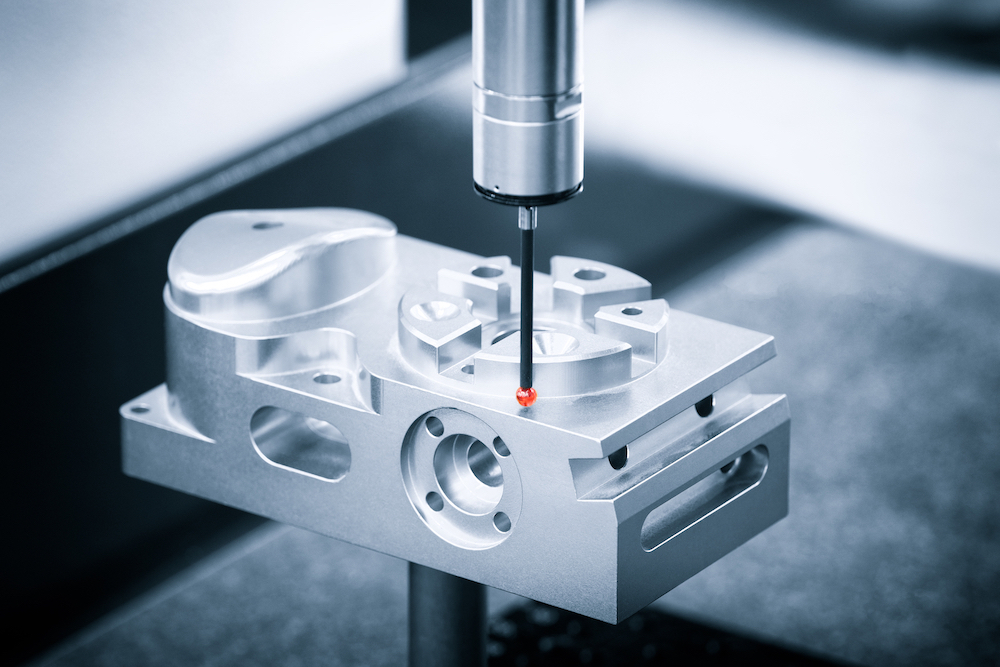
Coordinate Measuring Machines (CMM) are pivotal for achieving precise measurements in manufacturing. These machines allow companies to gauge the physical geometrical characteristics of objects. They can be manually operated or computer-controlled, lending versatility to measurement methods.
- 3D Capabilities: CMM systems provide three-dimensional measurement, accurately capturing complex geometries.
- Non-Destructive Testing: These machines evaluate parts without compromising their integrity, which is vital for quality-critical sectors.
- Automation: By incorporating automation, the process becomes streamlined, enhancing speed and consistency in high-volume scenarios.
Organizations utilizing CMM technology can anticipate significant reductions in errors. Beyond that, advanced software and analysis capabilities can yield detailed reports, greatly enhancing quality assurance protocols.
Gage R&R: Ensuring Measurement Consistency
Gage Repeatability and Reproducibility (Gage R&R) represents an essential element of measurement systems analysis. It assesses measurement system consistency and identifies variation sources in test results. Investing in Gage R&R studies can dramatically elevate consistency and foster enhanced confidence in measurement data.
- Identification of variability: By revealing sources of variation, organizations can swiftly address flaws.
- Improved Training: Training personnel using Gage R&R insights can significantly tighten processes.
- Continuous Improvement: Embracing a mindset of ongoing assessment and enhancement boosts overall production quality.
The major benefit? This strategy not only reduces costs related to scrap and rework but also enhances stakeholder confidence at all supply chain levels. Consistent data serves as a powerful asset for businesses eager to elevate their manufacturing standards.
Integrating Metrology Services into Your Production Process
Integrating metrology services involves more than just technology—it requires a holistic approach to quality management. Enterprises need to contemplate the best methods for embedding these measurement techniques into their workflows. However, not every strategy will mesh seamlessly; each organization must align its approach with its distinct needs.
Best Practices for Selecting Metrology Partners
The choice of the right metrology partner can greatly impact a project’s success. Factors like expertise, technology offerings, and customer support should play crucial roles in decision-making. A network of industry contacts can prove invaluable.
- Evaluate Track Records: Review candidates’ histories with similar projects to assess reliability.
- Technology Alignment: Ensure that their technology corresponds with specific requirements, particularly regarding tight tolerances.
- Customer Feedback: The insights gained from previous client experiences are invaluable and shouldn’t be overlooked.
When organizations partner with premier metrology services, they elevate their operational standards. In today’s demanding environments, such a partnership can spark innovation and ensure consistent product integrity.
Optimizing Workflow with Real-Time Measurement Feedback
Real-time measurement feedback stands to dramatically shorten cycle times. Traditional metrology methods often create delays, leading to production bottlenecks. However, merging real-time data with sensors and intelligent systems enables adjustments during production. This represents a transformative shift.
- Immediate Corrections: When discrepancies occur, teams can quickly address issues without stopping production.
- Better Collaboration: Everyone involved in production accesses the same data, nurturing a collaborative atmosphere.
- Data Insights: Gathering and analyzing continuous data fosters a culture of enhancement and proactive troubleshooting.
With real-time information, businesses can uphold high standards and maintain operational efficiency. The previous reactive methods have now evolved into a proactive management approach.
Real-World Applications of Metrology in Industry
The implications of effective metrology reach well beyond theoretical constructs. Industries worldwide are realizing tangible benefits from high-precision practices grounded in metrology services. Numerous case studies underscore this reality.
Case Studies: Success Stories in Tight Tolerance Projects
Various industries exhibit the real-world effects of metrology on operational success. Take the aerospace sector, for instance, which heavily relies on these services to guarantee safety and performance. One notable case involved a prominent aerospace manufacturer that faced assembly failures due to measurement discrepancies. By implementing a robust metrology program focused on Gage R&R techniques, they reported astonishing results: a 35% reduction in assembly time, which translated to cost savings and fewer redesigns.
In the medical device realm, another manufacturer struggled with the assembly of surgical instruments that demanded strict tolerances. Their investment in CMM technology ultimately led to a staggering 50% drop in defects and returned products. Consider the potential savings!
Innovations Driving Future Metrology Solutions
The future of metrology shines bright, with continuous innovations reshaping measurement practices. Emerging technologies are setting the stage for even greater precision.
- 3D Scanning: This cutting-edge technology captures intricate geometrical data, unlocking new possibilities for quality inspections.
- Artificial Intelligence: AI algorithms can forecast measurement trends, helping organizations anticipate problems before they escalate.
- Integrated Systems: Merging metrology with IoT results in a network of interconnected devices that consistently monitor and convey data, optimizing production.
Such innovations enhance accuracy while establishing a dynamic framework for ongoing improvements, helping businesses remain competitive in a rapidly changing market.
As manufacturers insist on stricter tolerances, forward-thinking organizations that adopt advanced metrology techniques will certainly shine. They are likely to cultivate an environment that prioritizes precision and sustains a competitive edge.
FAQ
What role does training play in metrology services?
Training holds a pivotal role in effective metrology implementation. Professionals highlight that well-trained personnel operate measurement equipment more effectively, resulting in fewer errors and enhanced data accuracy. This improvement significantly contributes to reliable quality assurance, essential for achieving tight tolerances.
How do metrology services vary across different industries?
Metrology services are customized to address the distinct needs of various industries. For instance, aerospace sectors might prioritize high-precision dimensional measurements, while medical device manufacturers focus on regulatory compliance and safety measures. Every industry possesses unique specifications that shape the tools and methods utilized.
Can metrology services impact production costs?
Absolutely. Through the integration of comprehensive metrology programs, companies can achieve substantial reductions in production costs. They realize savings via decreased scrap rates, minimized rework, and optimized operational efficiency—all of which favorably affect the bottom line.
What advancements can enhance metrology accuracy?
Innovative advancements like 3D scanning and artificial intelligence are transforming metrology. These technologies promise higher precision and predictive capabilities, enabling real-time adjustments that refine manufacturing processes. Consequently, organizations can circumvent potential discrepancies.
How is compliance managed through metrology services?
Compliance is upheld through meticulous documentation and reporting within metrology services. Organizations leverage detailed data logs and measurement reports to prove adherence to industry standards and regulations. This practice not only ensures quality but also fosters trust among clients.
What benefits do real-time measurement systems offer?
Real-time measurement systems deliver instant insights, enabling swift corrections during production. This dramatically cuts down downtime and promotes team collaboration, as everyone operates with the same set of data. Quick adjustments facilitate a smooth and efficient workflow.
How should a company assess its metrology needs?
Companies should begin by evaluating their specific product requirements and manufacturing processes. Collaborating with metrology experts can pinpoint gaps in current practices or highlight areas primed for enhancement. This strategic approach guarantees that chosen solutions effectively tackle existing challenges.
What is the significance of data analysis in metrology?
Data analysis is crucial in metrology for pinpointing trends and identifying improvement areas. By systematically reviewing measurement data, businesses can unravel insights that foster quality improvements and operational efficiencies. This promotes a culture dedicated to continuous improvement and proactive problem-solving.
