

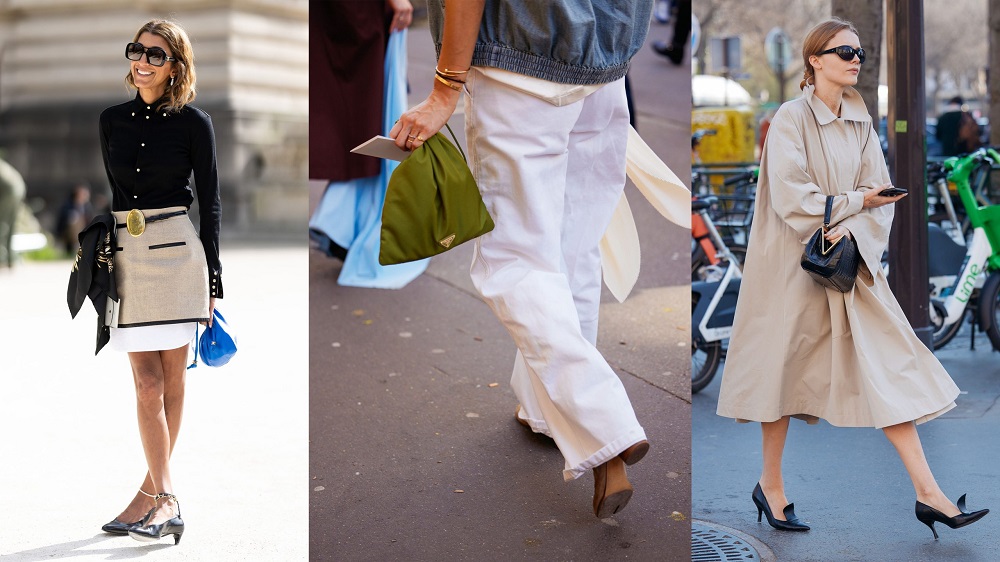
Building a functional, stylish, and adaptable wardrobe does not require an endless stream of seasonal trends or a closet overflowing with clothes. True personal style rests on a foundation of timeless, high-quality essentials. These versatile garments serve as the building blocks of daily dressing, allowing you to transition effortlessly between professional environments, casual weekend outings, and formal social events.
Investments in foundational fashion pieces pay off over time through lower cost per wear, elevated daily comfort, and reduced decision fatigue. By prioritizing fit, neutral color palettes, and durable fabrics, anyone can assemble a cohesive capsule collection that looks contemporary yet timeless.
The Power of the Capsule Wardrobe Approach
A modern capsule wardrobe relies on intentional curation. Instead of buying individual statement pieces that only work in a single outfit, a well-planned closet centers around interconnected garments. Neutral shades such as navy, charcoal, black, cream, beige, and crisp white form the backbone of this strategy because they seamlessly pair together.
When every top works with multiple bottoms, dressing becomes efficient and stress-free. Adding personality through accessories, textures, and subtle layers keeps your look fresh without cluttering your closet.
Key Benefits of a Core Fashion Foundation
-
Cost Efficiency: Higher initial investments in durable, well-made garments save money long-term by eliminating frequent replacements.
-
Effortless Styling: A cohesive color palette and classic silhouettes eliminate morning indecision.
-
Environmental Sustainability: Focusing on longevity over fast fashion minimizes textile waste and supports mindful consumption.
-
Universal Versatility: Essential pieces transition easily across seasons and dress codes with minor styling adjustments.
Core Upper-Body Essentials
Upper-body clothing sets the tone for your overall presentation. These tops balance comfort with structure, providing reliable options for both standalone wear and strategic layering.
The Perfect White Crewneck T-Shirt
A premium white T-shirt is arguably the single most important item in any closet. Look for medium-weight organic cotton that maintains its structure without feeling stiff or remaining sheer. The collar should sit flat against the neckline, and the hem should fall mid-hip. A solid white tee pairs as naturally with tailored trousers and a blazer as it does with relaxed denim and sneakers.
The Tailored Button-Down Shirt
Whether crafted from crisp Oxford cotton, lightweight poplin, or breathable linen, a fitted button-down shirt adds instant polish. Classic white, soft blue, or subtle pinstripes offer maximum versatility. Wear it tucked into trousers for business settings, or leave it unbuttoned over a T-shirt for a relaxed, layered weekend look.
The Lightweight Layering Knit
A fine-gauge crewneck or turtleneck sweater in merino wool, cashmere, or soft cotton provides warmth without adding unnecessary bulk. Dark neutral shades like charcoal, navy, or camel slide easily under tailored jackets in winter or drape casually over the shoulders during chilly spring evenings.
Lower-Body Staples for Everyday Wear
The bottom half of your outfit provides structural anchor points. Focusing on fit, fabric weight, and silhouette ensures all-day comfort and timeless appeal.
Dark-Wash Straight-Leg Denim
Trends in denim fits come and go, but mid-rise, straight-leg jeans in a clean, dark indigo wash remain permanently stylish. Avoid heavy distressing, excessive fading, or dramatic contrast stitching. Dark denim bridges the gap between casual and business casual, pairing equally well with a casual t-shirt or a structured blazer.
Tailored Trousers or Chinos
Every wardrobe requires a sharp alternative to denim. Well-fitted flat-front trousers or chinos in beige, navy, or black offer clean lines and exceptional comfort. Ensure the length rests cleanly at the top of your shoes with minimal break for a clean, tailored silhouette.
Outerwear that Elevates Any Outfit
Outerwear is often the first thing people notice, making it a critical style investment. The right coat or jacket unifies an outfit while offering essential weather protection.
The Classic Trench Coat or Tailored Overcoat
A mid-length trench coat in tan or stone gray is the ideal transitional outerwear piece for spring and fall. For colder climates, a structured wool overcoat in navy or camel provides immediate sophistication. Look for clean tailoring through the shoulders and a length that hits at or slightly above the knee.
The Structured Blazer
A single-breasted blazer in navy, charcoal, or dark green instantly elevates casual attire into business casual territory. Pay close attention to shoulder fit and sleeve length. A well-tailored blazer should contour smoothly over your shoulders without pulling or creating boxy excess material across the back.
Essential Footwear for Every Occasion
Shoes ground your outfit and dictate its final level of formality. Investing in quality footwear constructed from real leather or durable canvas guarantees long-lasting comfort and aesthetic appeal.
Minimalist White Leather Sneakers
A clean, low-profile white leather sneaker has become a modern wardrobe fundamental. Free from loud logos or exaggerated technical soles, sleek white sneakers match shorts, denim, chinos, and even tailored suits. Regular cleaning and proper maintenance keep them looking sharp.
Classic Leather Loafers or Dress Shoes
For formal occasions, professional meetings, or evening dining, high-quality leather dress shoes are non-negotiable. Black or rich brown penny loafers, Derbies, or Chelsea boots offer versatile sophistication that elevates any trouser or dark denim combination.
The Finishing Touches: Functional Accessories
Accessories complete a look and demonstrate attention to detail without overpowering the rest of your ensemble.
-
Leather Belt: Match your belt color and texture to your primary dress shoes. A classic black and a rich brown leather belt cover virtually all style needs.
-
Timepiece: A simple, elegant analog watch with a leather or stainless steel band adds functional refinement.
-
Structured Daily Bag: A clean leather tote, structured briefcase, or minimal canvas duffel keeps your everyday carry organized without detracting from your outfit.
Frequently Asked Questions
How much money should I invest in foundational fashion pieces?
Focus your budget on high-wear, structural items like outerwear, footwear, and tailored blazers, as higher quality directly correlates with longevity in these items. T-shirts and basic layering knits can be purchased at moderate price points, provided the fabric quality and fit meet high standards.
How do I maintain white cotton T-shirts so they stay bright?
Wash white cotton shirts with similar light colors using cold water and mild detergent. Treat necklines and underarm areas promptly with stain remover, and air-dry or tumble-dry on low heat to preserve fabric elasticity and prevent shrinking.
Can a capsule wardrobe work for different seasonal climates?
Yes. The core principles remain identical regardless of climate, but fabric choices adapt. Hotter regions emphasize linen, lightweight cotton, and breathable knits, whereas colder environments incorporate heavier wools, cashmere, and insulated outerwear.
What is the most versatile dress shoe color to own first?
Medium to dark brown leather is typically the most versatile shoe color because it pairs seamlessly with navy, grey, beige, blue, and earth-toned trousers. Black leather remains necessary for strict formal settings and dark tailoring.
How do I determine if a blazer fits correctly off the rack?
Check the shoulders first, as adjusting shoulder width via tailoring is difficult and expensive. The shoulder seam should sit precisely where your natural shoulder ends, the jacket buttons should close without pulling, and the sleeves should reveal roughly a quarter-inch of your shirt cuff.
Are denim jackets considered a timeless essential?
A classic denim jacket in a medium or dark wash is a timeless casual staple, particularly for spring and autumn layering. While slightly less formal than a blazer or trench coat, it offers excellent durability and casual utility.
How often should quality leather footwear be polished and maintained?
Clean and condition leather footwear every two to three months, depending on wear frequency and weather exposure. Using shoe trees after each wear preserves shape, absorbs internal moisture, and prevents heavy creasing across the leather.
