

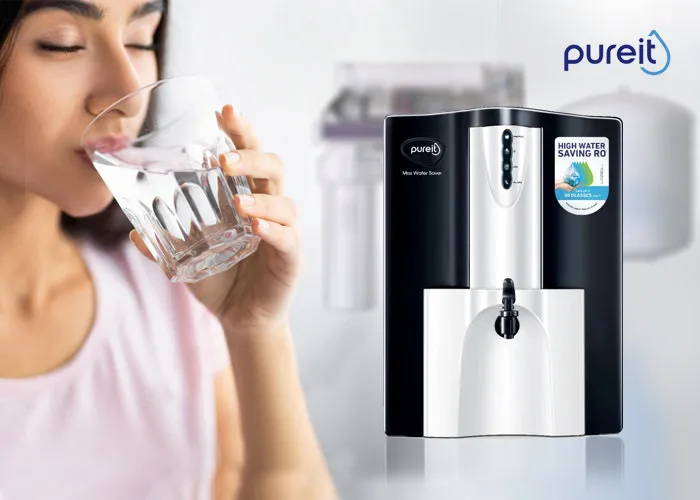
Clean and safe drinking water is fundamental to good health, but purification alone does not always guarantee consistent safety. While water purifiers are designed to remove harmful contaminants, their performance can decline over time due to factors like inadequate maintenance, filter saturation, or fluctuations in water quality. This means that even purified water may not always be as safe as it appears. Staying alert to subtle changes and early warning signs is essential to avoid potential health risks and to ensure your purifier continues to function effectively.
1. Unusual Taste or Odour
One of the most immediate indicators of contaminated purified water is a change in taste or smell. If your drinking water starts to taste metallic, salty, or bitter, or emits a foul or chlorine-like odour, it could signal the presence of dissolved impurities or ineffective filtration. This often happens when filters are worn out or when there is an increase in contaminants in the source water. Clean, purified water should ideally be neutral in taste and odour.
2. Cloudiness or Visible Particles
Purified water is expected to be clear and free from suspended particles. If you notice cloudiness, floating particles, or sediment in your drinking water, it is a strong sign that the filtration system is not functioning properly. This could be due to clogged filters, damaged membranes, or a malfunction in one of the purification stages. Ignoring this sign can expose you to bacteria, dust, or other harmful contaminants.
3. Frequent Illness or Digestive Issues
If members of your household frequently experience stomach discomfort, infections, or unexplained illnesses, contaminated drinking water could be a contributing factor. Harmful microorganisms such as bacteria and viruses may pass through a compromised purifier. While this sign is less obvious, it is one of the most critical indicators that your water may not be as safe as it appears.
4. Slow Water Flow or Reduced Output
A noticeable drop in water flow or output from your purifier can indicate clogged filters or membrane issues. When filters become overloaded with impurities, they struggle to function efficiently, potentially allowing contaminants to pass through. Reduced flow is often a warning that maintenance or filter replacement is overdue, and continuing to use the purifier in this condition can compromise water quality.
5. Unusual Noise or System Alerts
Modern water purifiers often come equipped with indicators or alerts to signal maintenance needs. Ignoring these alerts can lead to deteriorating performance. Additionally, unusual noises from the system may indicate internal damage or malfunctioning components. These issues can directly impact the purifier’s ability to remove contaminants effectively.
Conclusion
For households that rely on clean and safe drinking water, an RO water purifier is a valuable investment, but its effectiveness depends on regular maintenance and timely servicing. Paying attention to warning signs such as changes in taste, clarity, or flow can help you detect potential issues early.
To ensure consistent access to safe drinking water, it is important to replace filters as recommended, schedule periodic servicing, and monitor any changes in water quality. Being proactive not only extends the life of your purifier but also safeguards your household from the risks of contaminated water.
